ValEUs Civil Society Debate: EU Foreign Policy, Democratic Resilience, Citizen Participation in Wartime Ukraine

Date & time: 13/05/2026 | 3:00 – 5:00 PM (Kyiv Time)
12:00 – 14:00 PM (UTC) | 2:00 – 4:00 PM (CEST)

Venue: Kyiv School of Economics, Classroom [4.08], KSE Dragon Capital Building, 3 Mykoly Shpaka St., Kyiv.

Livestream: via the Kyiv School of Economics YouTube channel

Join our upcoming ValEUs Civil Society Debate on “EU Foreign Policy, Democratic Resilience, and Citizen Participation in Wartime Ukraine” hosted by the Kyiv School of Economics (KSE) on 13 May. 

Bringing together KSE scholars, civil society representatives, and government officials, the debate will explore the evolving relationship between EU values and their practical application within Ukraine’s wartime environment and discuss the essential aspects of maintaining democratic resilience. 

Research Insights:
The event kicks off with the latest insights from the recently concluded Horizon Europe project “Reconfiguring EU Democracy Support (REDEMOS)“. KSE scholars Ivan Gomza and Maryna Rabinovych will reflect on the contestation of ‘European’ values and EU Foreign Policy in Ukraine, including the ‘points of tension’ Ukrainians perceive between EU declarations and actual policy implementation.

Panel Discussion:
The event will continue with a panel discussion, inviting civil society representatives and government officials to explore the practical aspects of maintaining democratic resilience in wartime Ukraine, examining how core values are upheld when formal institutions are operating under the strain of martial law.

Furthermore, the debate will highlight the policy influence of civic participation on EU strategic decisions toward Ukraine as a process of mutual transformation. In this process, Ukrainian grassroots activism not only helps the EU support Ukraine effectively but also encourages the Union to re-evaluate and refine its own foundational values.

Featured Speakers:
Serhii Zamidra (All-Ukrainian Association of Communities)
Yuliia Shaipova (Ministry of Economy of Ukraine)
Oleksandr Starodubtsev (Mnozhyna Foundation)
Vladyslav Faraponov (NGO “Institute of American Studies”, Editor-in-Chief of “The Gaze”)

This ValEUs Civil Society Debate will conclude with final remarks by KSE representatives Ivan Gomza, Oleksandra Keudel, and Dmytro Iarovyi. 

Moderator & Speakers

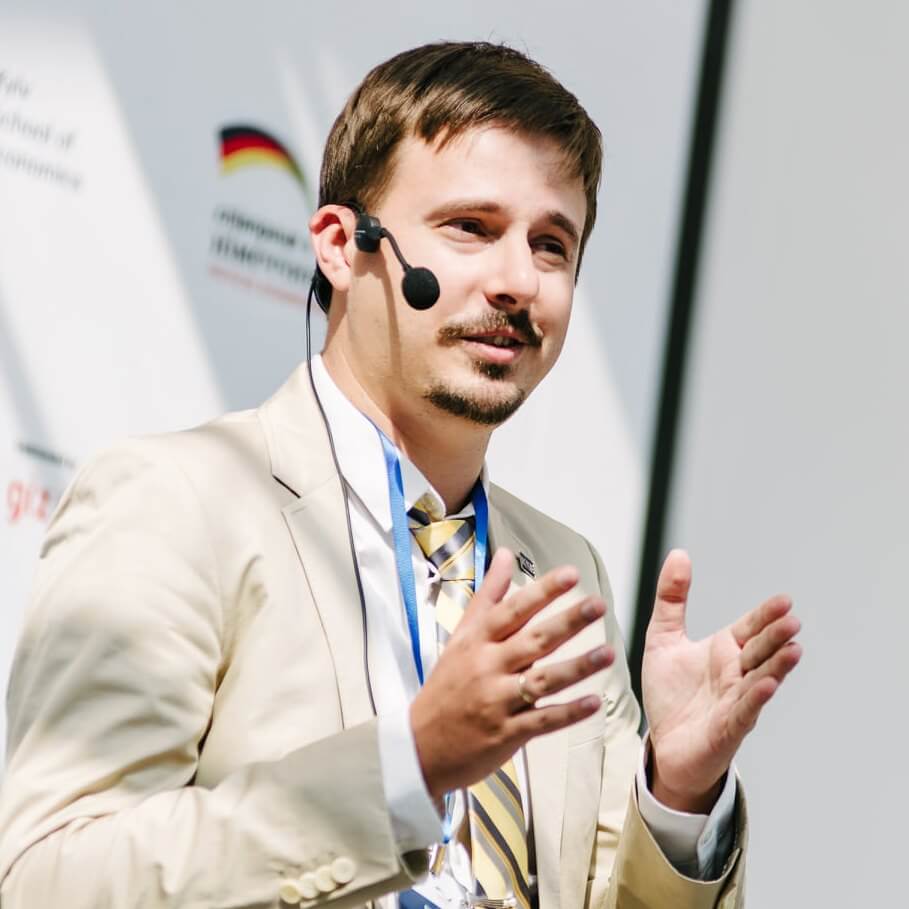
Ivan Gomza

Moderator & Speaker

Professor of Political Science at Kyiv School of Economics, Swedish Distinguished Professor (© Kyiv School of Economics)

Maryna Rabinovych

Speaker

Assistant Professor at the Department of Public Policy and Governance, KSE (© Kyiv School of Economics)

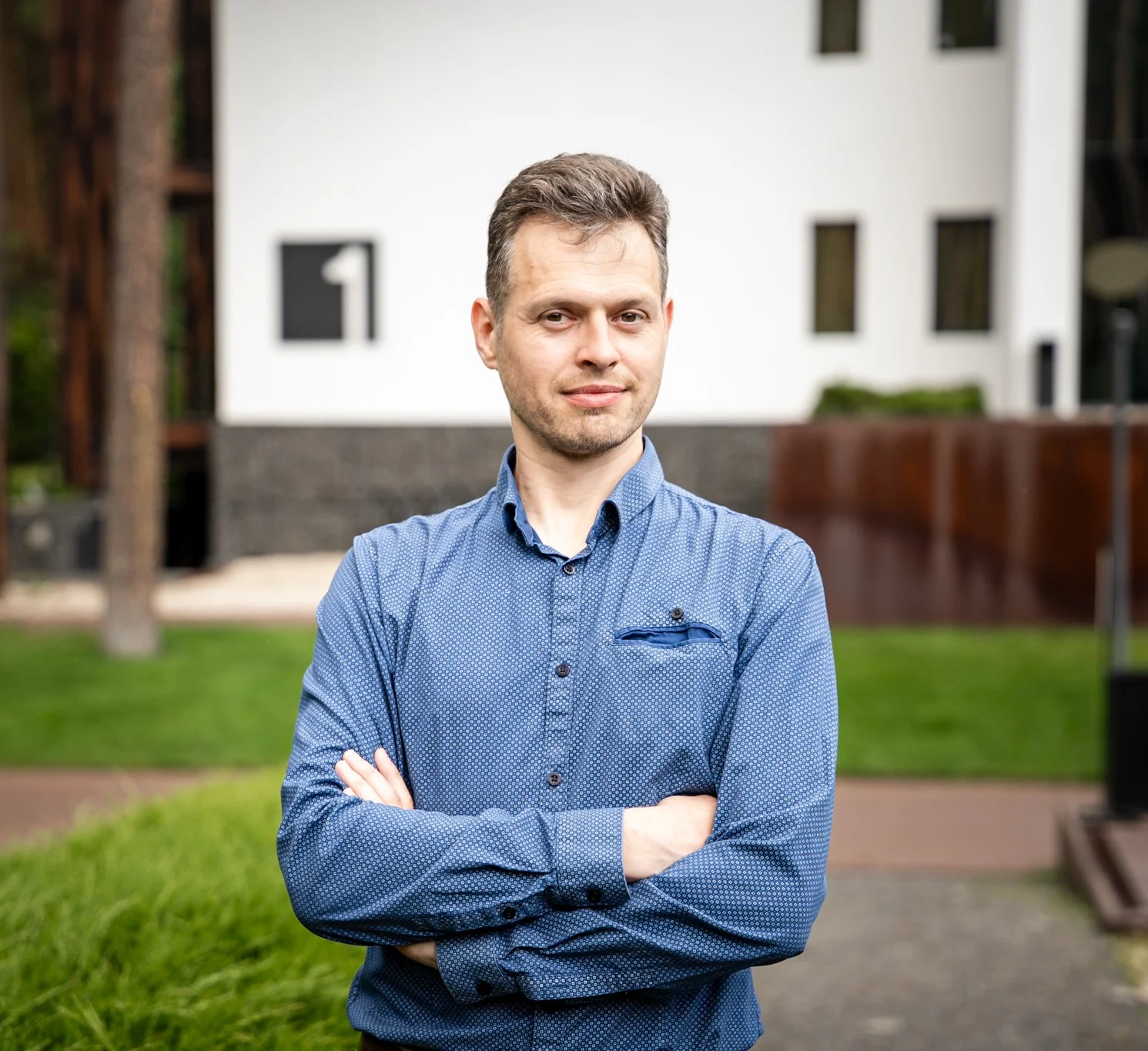
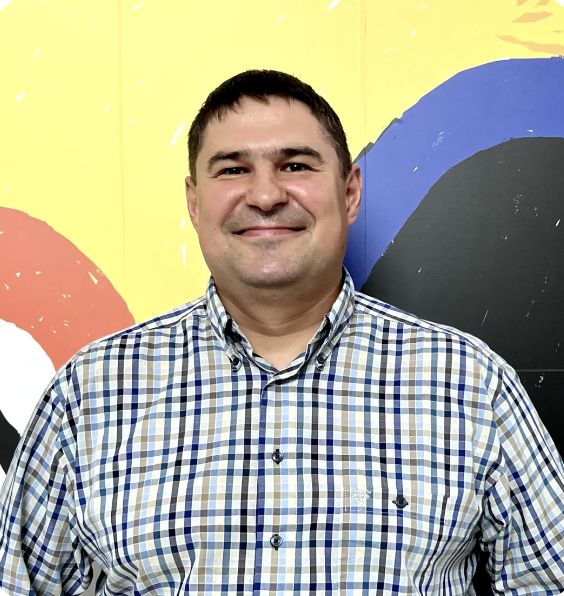
Serhii Zamidra

Speaker

All-Ukrainian Association of Communities, First Deputy Head (© Serhii Zamidra)
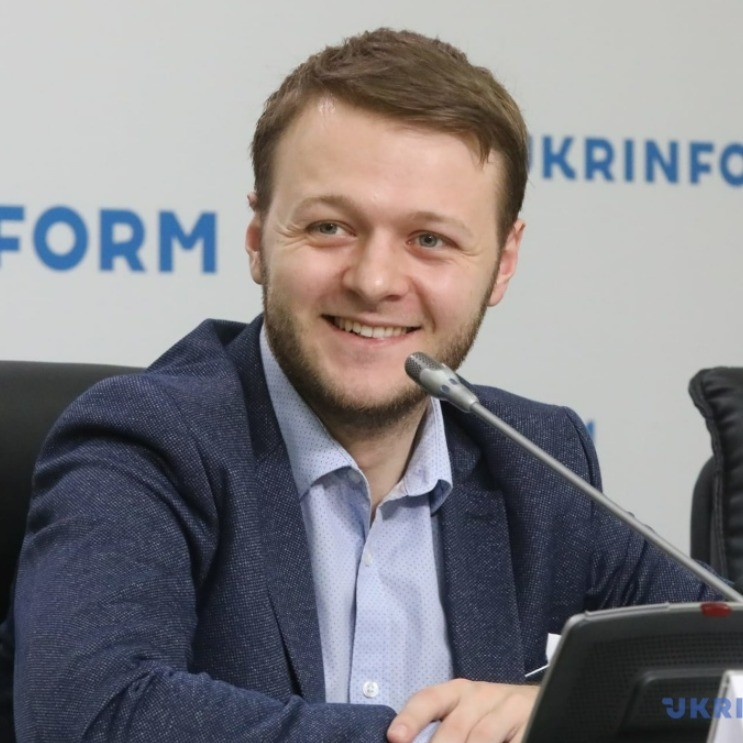
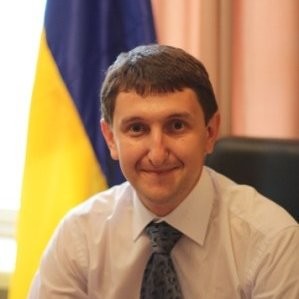
Yuliia Shaipova

Speaker

Ministry of Economy of Ukraine, Recovery and Reform Support Team (© Yuliia Shaipova)

Oleksandra Keudel

Speaker

Founding Director of the Center for Democratic Resilience at the Kyiv School of Economics (© Kyiv School of Economics)

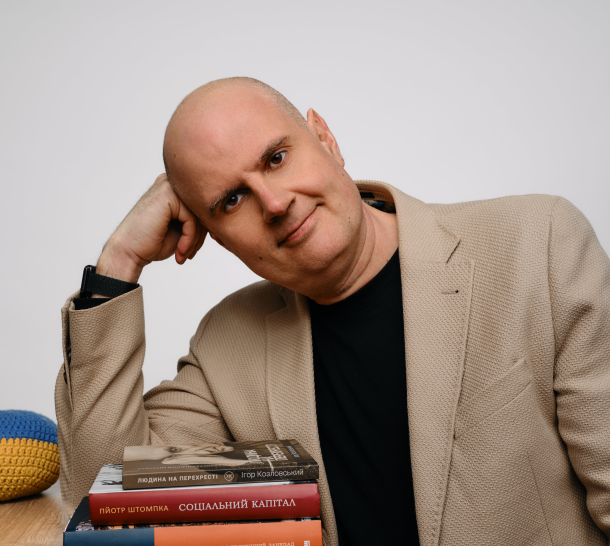
Oleksandr Starodubtsev

Speaker

Head of the Spromozhnist Program, Mnozhyna Foundation (© Mnozhyna Foundation)

Dmytro Iarovyi

Speaker

Associate Professor at the Graduate Department of Social Sciences and Humanities, KSE (© Kyiv School of Economics)

Vladyslav Faraponov

Speaker

NGO “Institute of American Studies”, Editor-in-Chief of “The Gaze” online portal (© Vladyslav Faraponov)
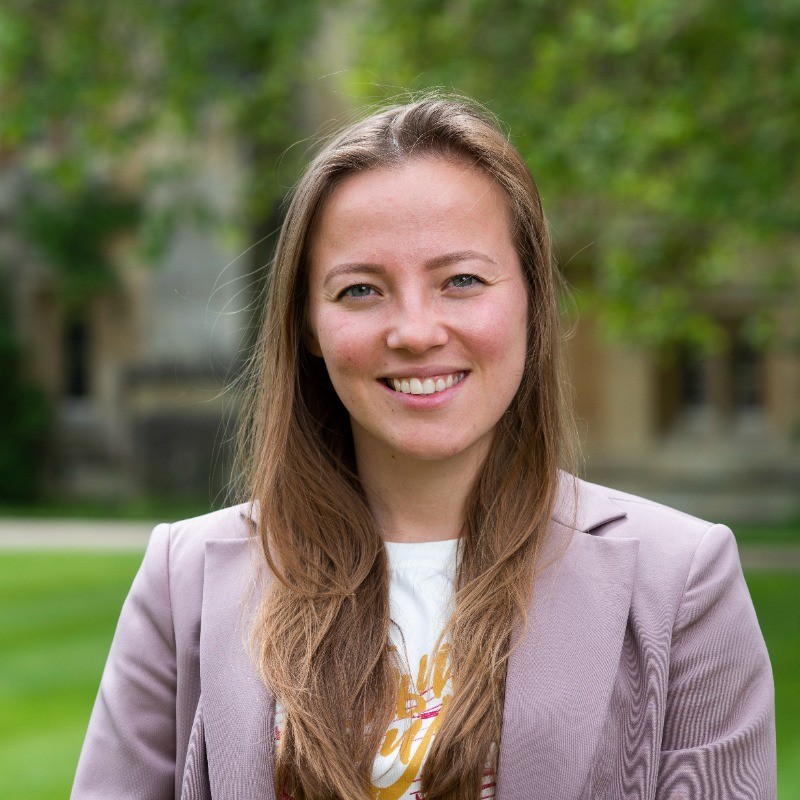
ValEUs Civil Society Debates

The ValEUs Project has organised a series of panel discussions with civil society organisations discussing European values and EU foreign policy, engaging a global audience (live stream) and local participants in the US, Poland, Mexico, Morocco and Ukraine. NGO’s, social movements, citizen organisations and activists are invited to share their thoughts about climate change, democracy, trade agreements, colonialism, and conflict. In these debates, contestations and ambivalences of European foreign policy are exposed, allowing for the exploration of new avenues to counteract these contestations and ambivalences.

Funded by the European Union. Views and opinions expressed are however those of the author(s) only and do not necessarily reflect those of the European Union or the European Education and Culture Executive Agency (EACEA). Neither the European Union nor EACEA can be held responsible for them.